What is Sustainability?
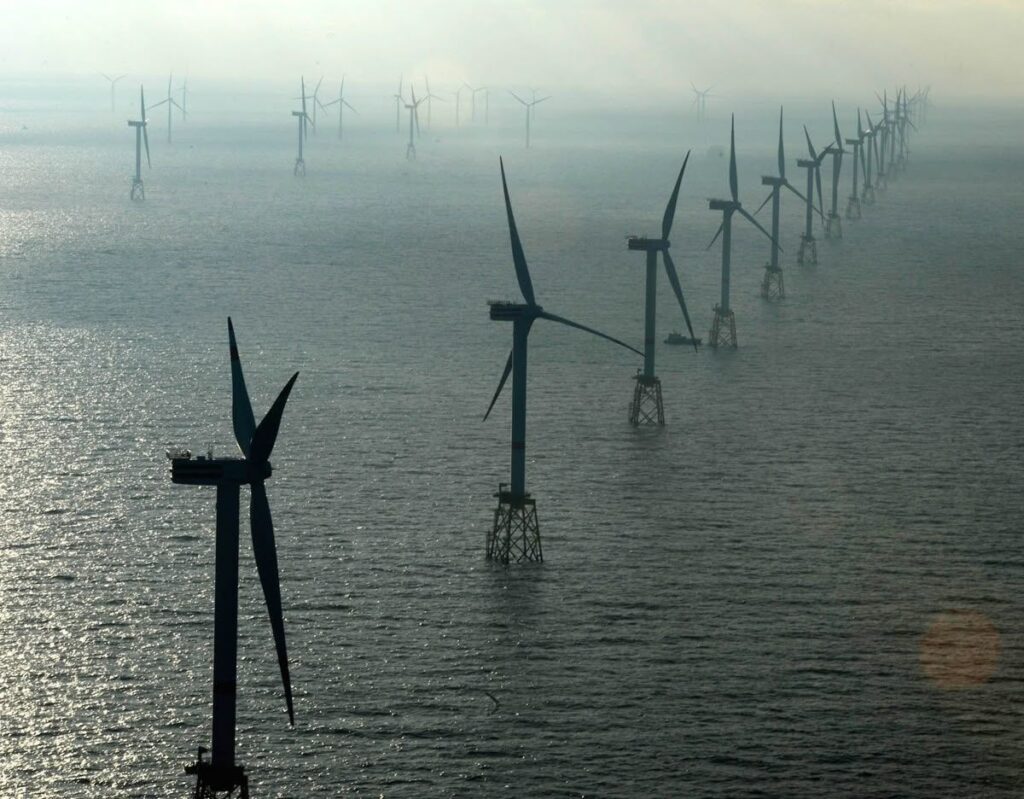
Sustainability is meeting present needs without compromising future generations’ environmental, economic, and social well-being.
Ecocentrism in philosophy
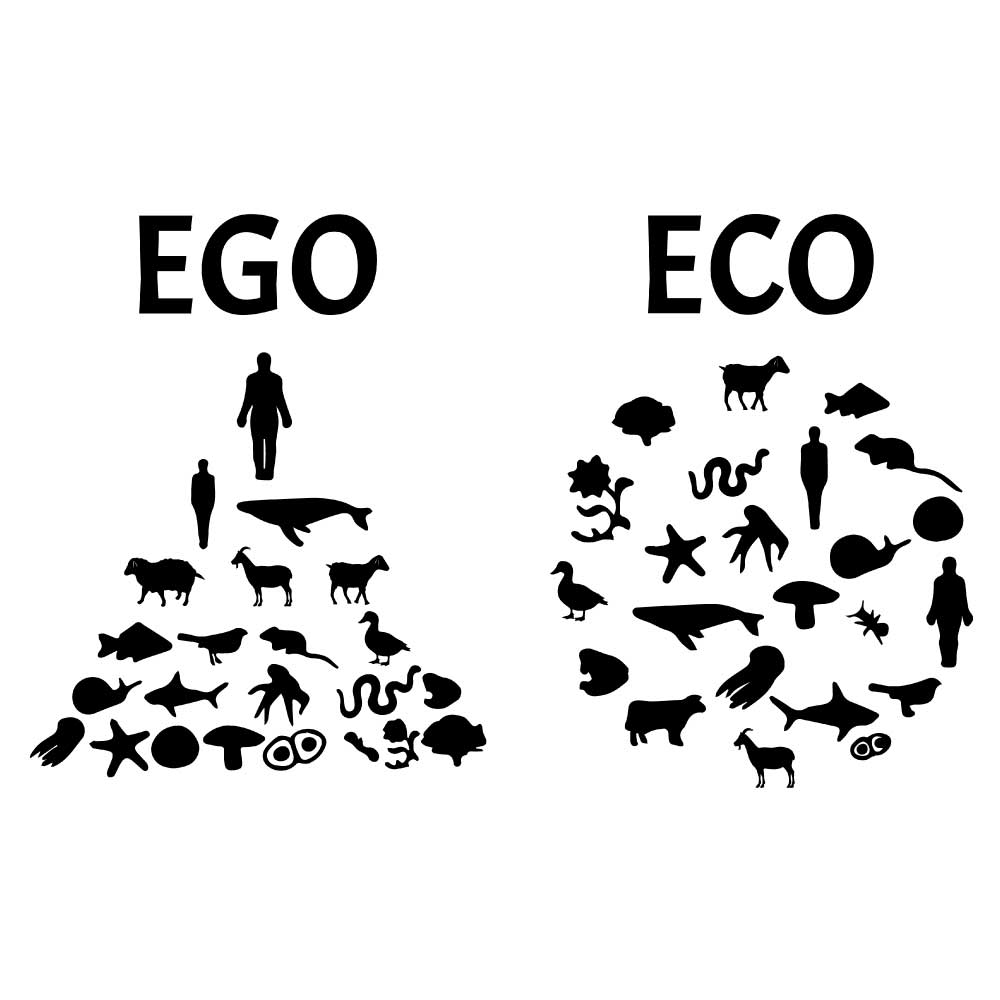
Ecocentrism is a philosophy that treats entire ecosystems, not just humans or living things, as having moral value. Think of it like this: instead of viewing nature through the lens of “what’s useful to us,” ecocentrism says that rivers, mountains, forests, and all their inhabitants deserve respect in their own right. It’s different from just caring about animals. Ecocentrism values the Earth’s ecosphere as the most important central value, recognizing that everything, living and non-living, plays a role in keeping ecosystems functioning. A bee isn’t valuable just because it helps humans; it matters because it’s part of the web of life. This view encourages us to see ourselves as members of nature’s community, not its owner.

Greenwashing
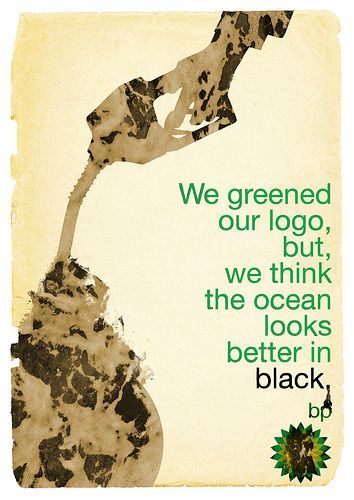
Greenwashing is a marketing strategy where companies present themselves as more environmentally friendly or sustainable than they actually are. They may use misleading slogans, images, or labels to create a positive eco-friendly image, while their products or practices contribute little to real sustainability. It misleads consumers and slows real change.
Advanced articles related to Sustainability and Eco-centrism
The Neoliberalisation of Sustainability – Lynley Tulloch (2014)
The article argues that the idea of sustainability, originally rooted in radical environmental critique, has been taken over by neoliberal capitalism, turning it into a tool that aligns with market logic rather than challenging it.
Why ecocentrism is the key pathway to sustainability – Haydn Washington (2017)
The article defines ecocentrism, traces its philosophical and cultural roots, and contrasts it with the current state of the world. The results prove that ecocentric approaches lead to stronger and more sustainability measures that prioritize ecological integrity over short-term human production.