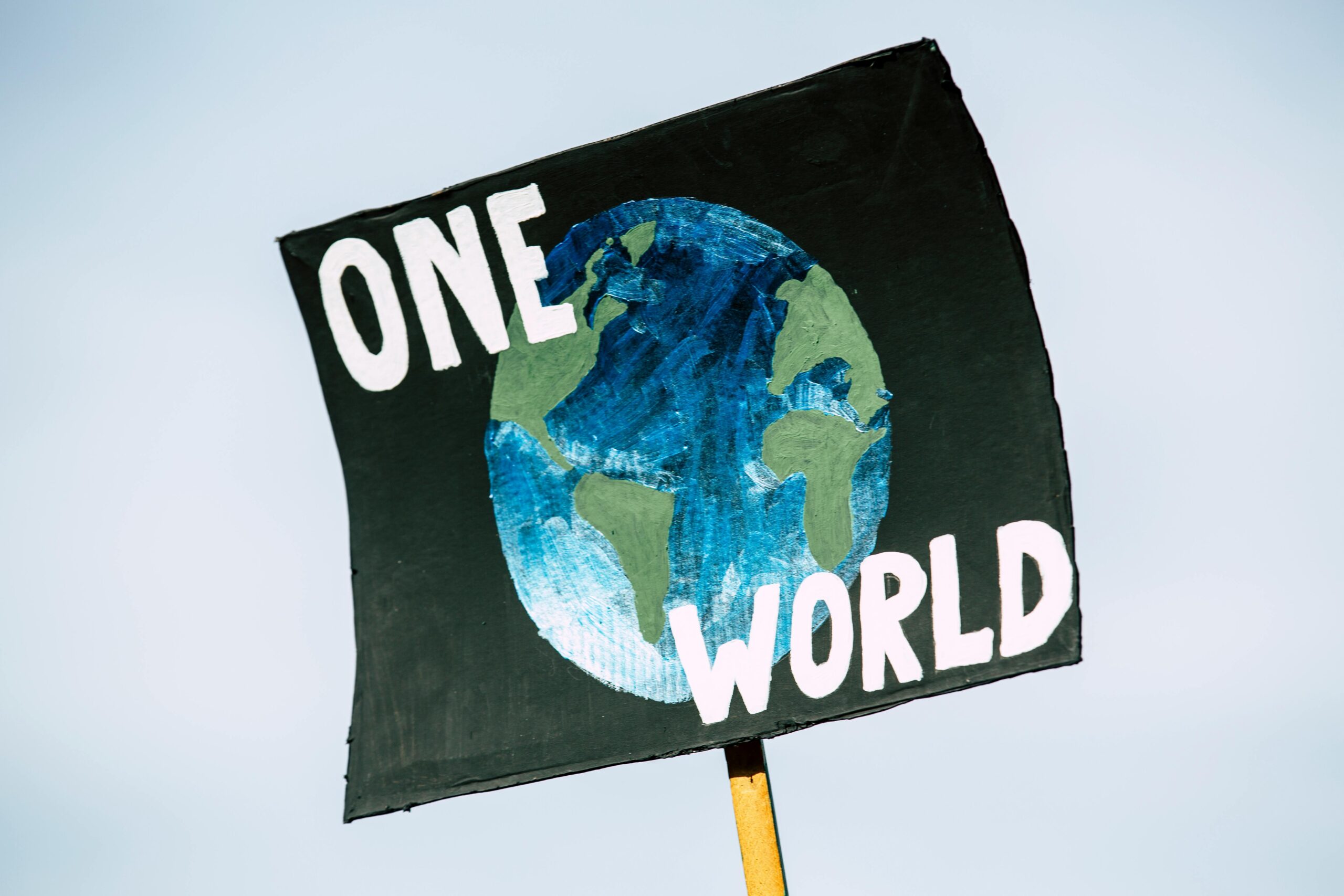
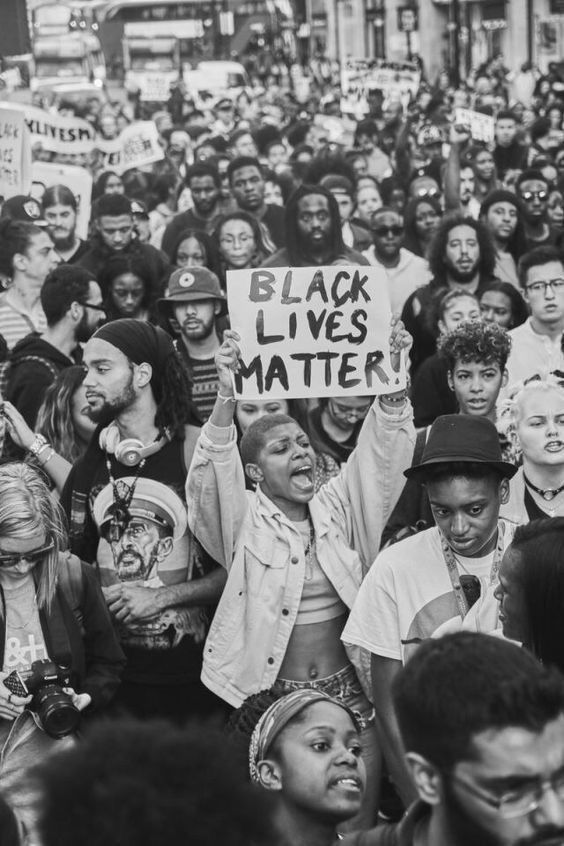
Social issues such as racism, polarization, and sexism continue to exist because they are deeply rooted in history, culture, and power structures that shape how societies function. Although progress has been made, these inequalities are constantly reproduced through institutions, economic systems, and everyday attitudes. In recent years, they have even intensified. Rapid social change, economic insecurity, misinformation, and the rise of social media have amplified fear, division, and “us versus them” thinking.
Eco-feminism
Eco-feminism connects feminism and environmentalism by showing how Western culture links women and nature as inferior to men and reason, justifying their exploitation. It argues that solving ecological crises requires challenging these dualisms and promoting care, embodiment, equality, and more sustainable relationships with the natural world.
Economic inequality is not an accident but a logical outcome of systems built on extraction, endless growth, and the concentration of power. When value is measured only in profit, human wellbeing and ecological balance are treated as externalities rather than foundations. Rethinking economics means moving from exploitation to regeneration, and from accumulation to shared care for people and planet.
Propaganda and Free-speech
Our Voice
Propaganda thrives where power controls narratives, shaping what is visible, acceptable, and speakable. When free speech is reduced to a slogan rather than a shared responsibility, it can be weaponized to amplify dominance instead of dialogue. A healthy society protects expression while cultivating critical awareness, accountability, and care for the collective truth we build together.
Extremism
The need for solidarity
The extreme right rises where fear, exclusion, and inequality meet unchallenged authority. Fascism thrives on division, scapegoating, and the illusion of unity through dominance. Resisting it requires vigilance, collective solidarity, and a commitment to democratic values that protect diversity, justice, and human dignity.
Sustainability in language – Diversity
“There is no swifter route to the corruption of thought than through the corruption of language.”
Racism exists not just in people’s personal prejudice but also in the systems, cultures, and institutions that make inequality seem normal. It is reinforced through schools, media, laws, and economic systems that treat people differently because of their skin colour, background, or where they come from. To fight it, we need both personal reflection and group action: questioning unfair stories, listening to and supporting marginalized voices, and changing rules and institutions that continue discrimination. Fighting racism is not passive, it means facing uncomfortable truths, challenging unfair advantages, and working together across communities. Only by tackling both personal and systemic issues can society move toward real equity and justice.