We, our climate
Climate change is one of, if not the, biggest challenge humanity has ever faced, shaping the future of ecosystems, economies, and societies worldwide. Yet for many people, it remains abstract, confusing, or distant, hidden behind complex data and political debates. What exactly is the “climate problem”? It is not only rising temperatures, but also extreme weather, biodiversity loss, food and water insecurity, and growing social inequality. Most importantly, climate change is not just an environmental issue; it is a social, economic, and moral one. Understanding it clearly helps us see that solutions exist, from reducing emissions and restoring ecosystems to changing how we produce, consume, and care for one another.
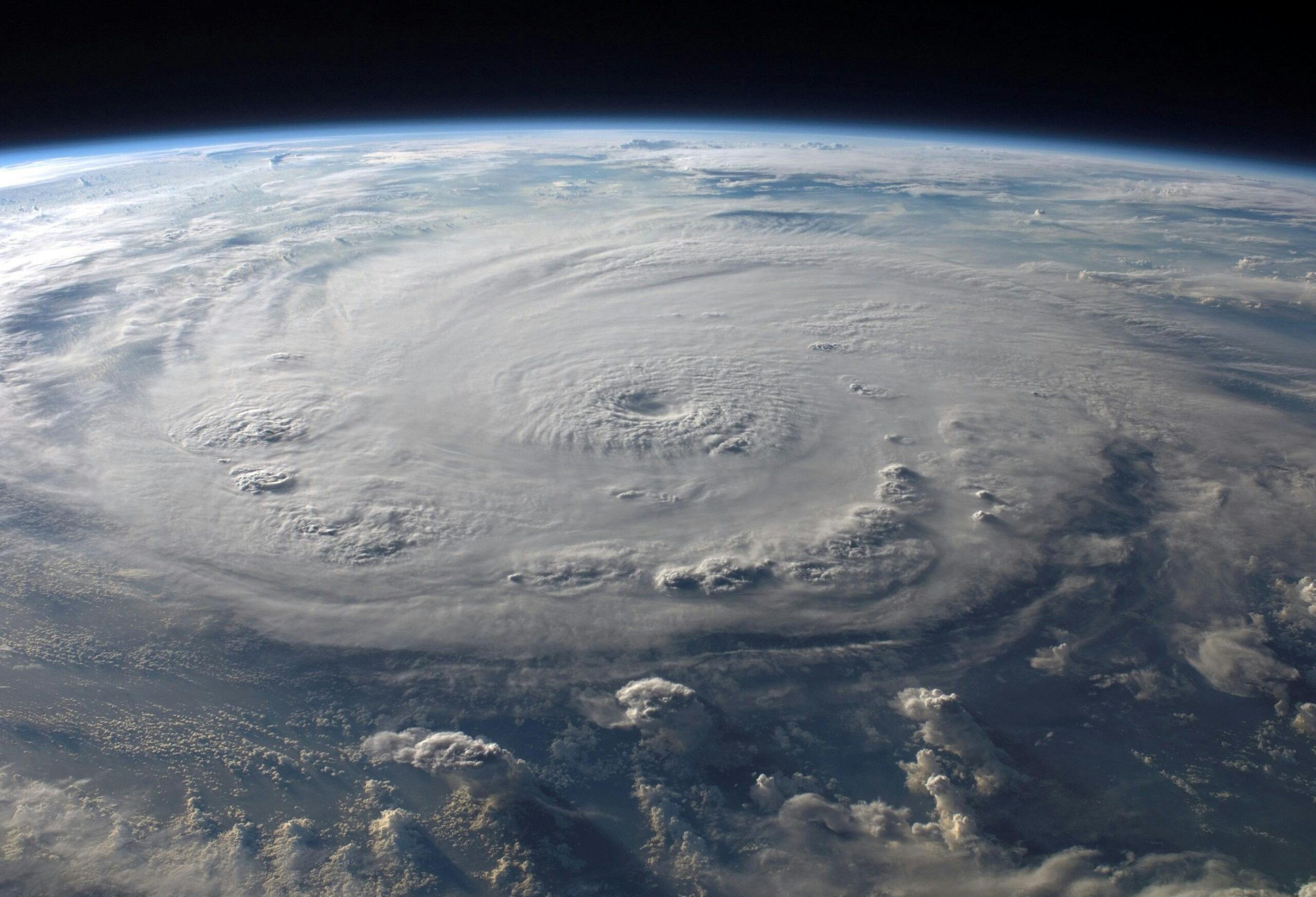
Climate change is rapidly transforming our planet, threatening species, altering ecosystems, and acidifying oceans. Its effects ripple through weather, sea levels, and human societies, showing that even if temperatures stabilize, the impacts will continue. Urgent action is needed to protect life, restore balance, and safeguard Earth’s future.
On waste pollution
Waste pollution happens when trash isn’t managed properly, contaminating land, water, and air. Waste that sits in landfills releases methane, a strong greenhouse gas, and burning waste releases harmful chemicals into the atmosphere, affecting both ecosystems and human health. Reducing waste through better recycling, composting, and reuse helps cut pollution and protects the climate.
On air pollution
Air pollution is contamination of the air by chemicals and particles that harm people, wildlife, and the climate. Many sources like cars, factories, and burning fossil fuels, release pollutants that cause respiratory diseases and contribute to climate change by trapping heat in the atmosphere
Our planet
Our Earth is alive, resilient, and worth caring for. By reconnecting with nature and each other, we can move from extraction to regeneration and shape a future rooted in balance, care, and collective responsibility.